Editorial Casamago, ongoingLa comunidad científica internacional ha aceptado las investigaciones que declaran a Monteverde(Puerto Montt, Chile) como el asentamiento humano más antiguo de todo el continente americano con 14.500 años aprox. El hallazgo incluye una variedad de huesos intervenidos de animales ya extintos, restos de estructuras habitacionales, una pisada humana fosilizada, herramientas para hacer fuego y hasta un chicle de boldo transportado por más de 400 km. Este descubrimiento cuestiona la teoría que conocemos sobre el poblamiento humano en el continente únicamente a través del Estrecho de Bering o bien abre otras posibilidades. Los humanos también llegaron a América por el sur.
¿Cómo construimos una imagen de la prehistoria desde una perspectiva contemporánea?
Hay algo en el elemento social que de cierta manera nos impone una imagen del mundo, una necesidad de orden según ciertos descubrimientos. ¿Quién cuenta la Historia? El lenguaje de la ciencia está limitado en ese sentido, la parte más importante de sus datos son estériles para empujar hacía otras alternativas de imaginar el territorio. Lo que no significa que sea imposible utilizarlos con otra perspectiva, y es ahí donde entra la visión artística. ¿Qué pasa con la imagen clásica, culturalmente aceptada, con la visión definidamente contemporánea, pueden de alguna manera ejercer un encuentro con la prehistoria?
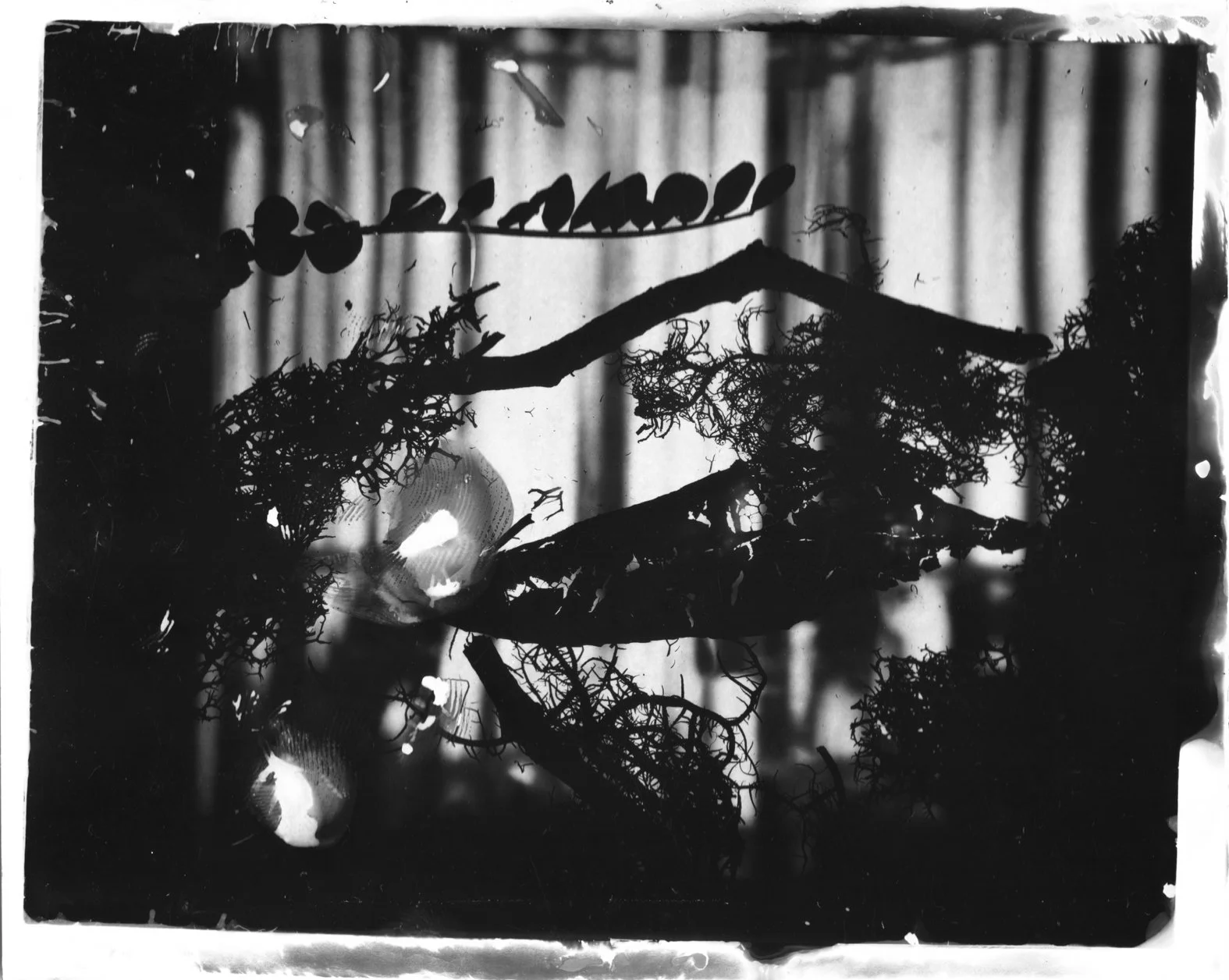
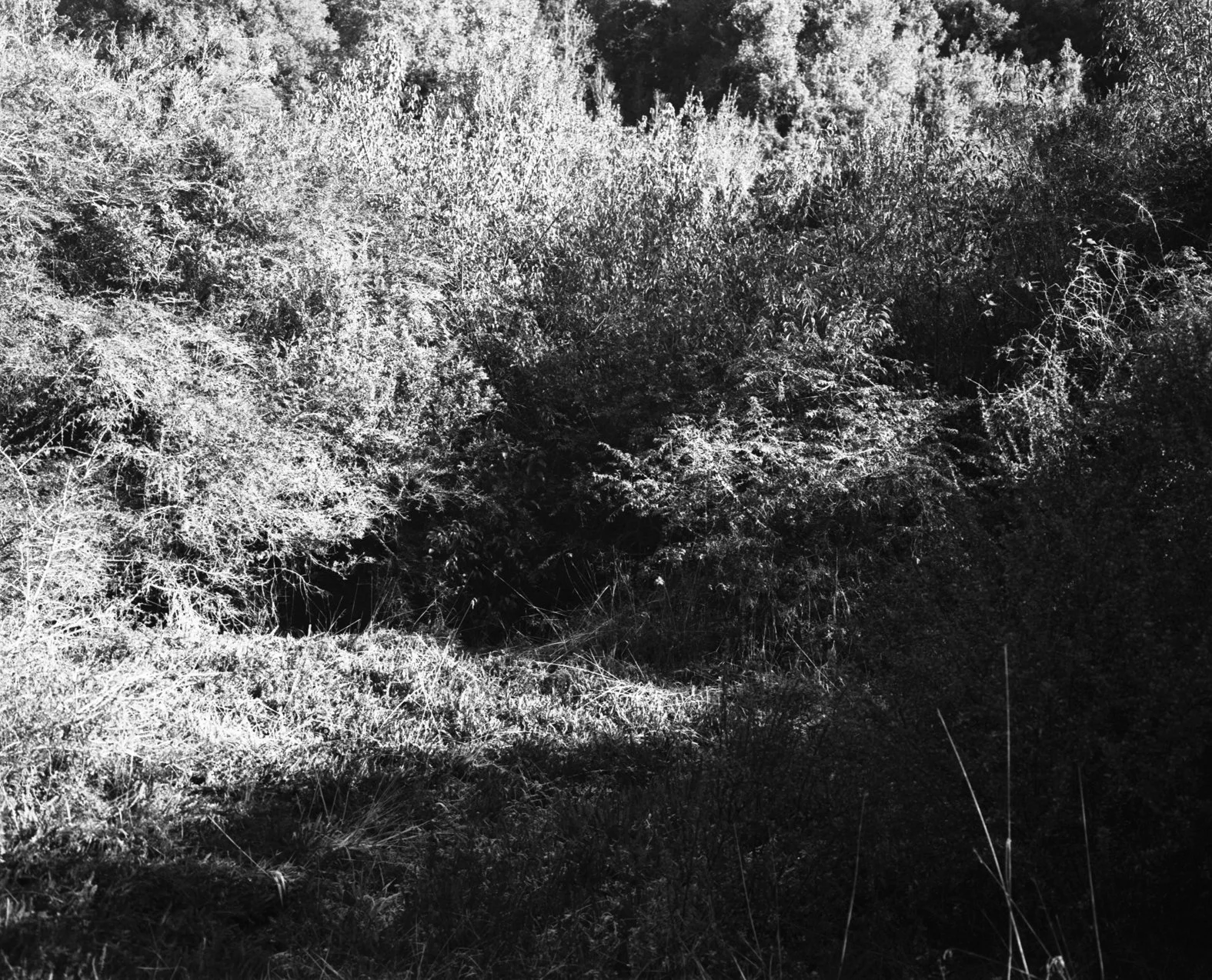
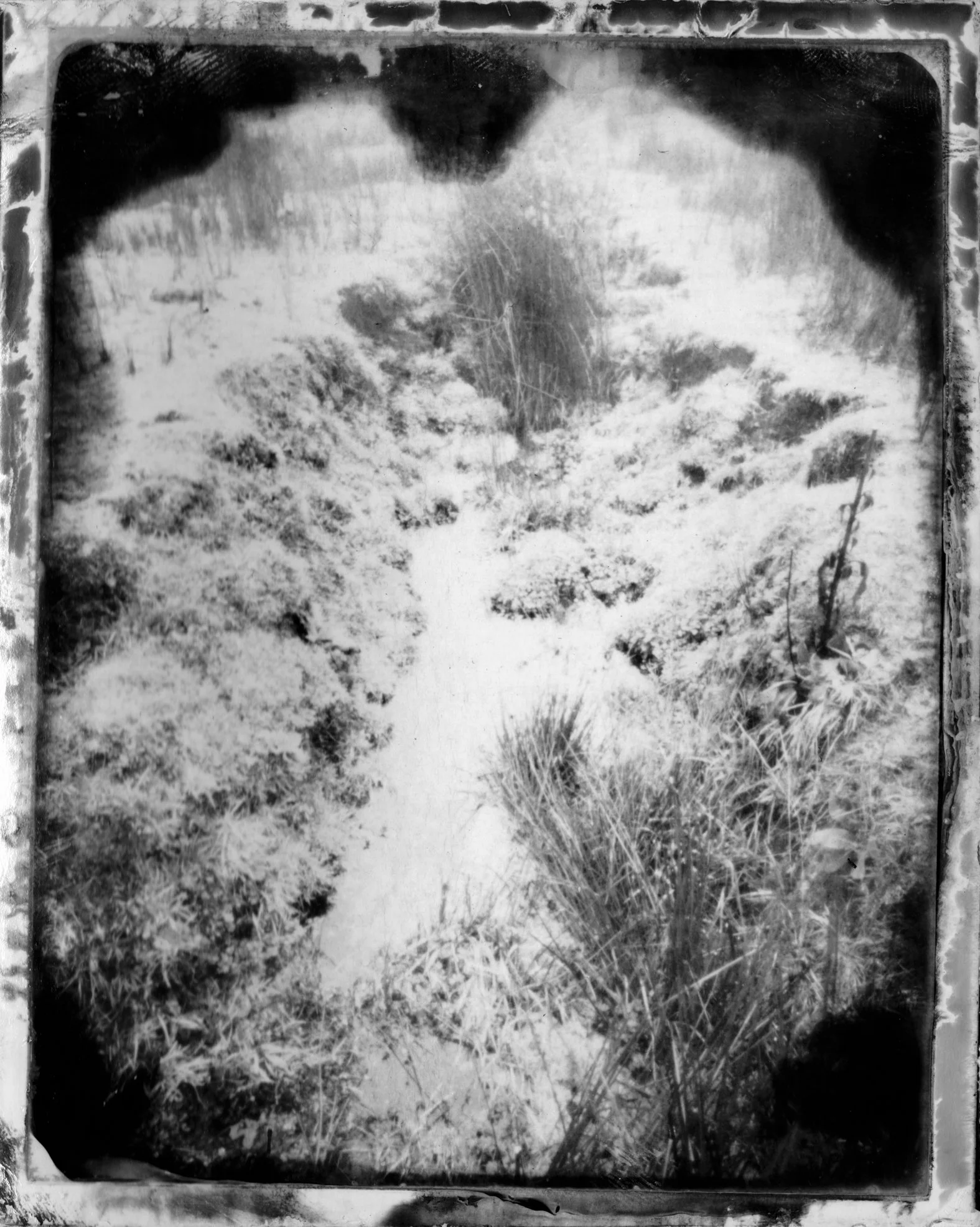
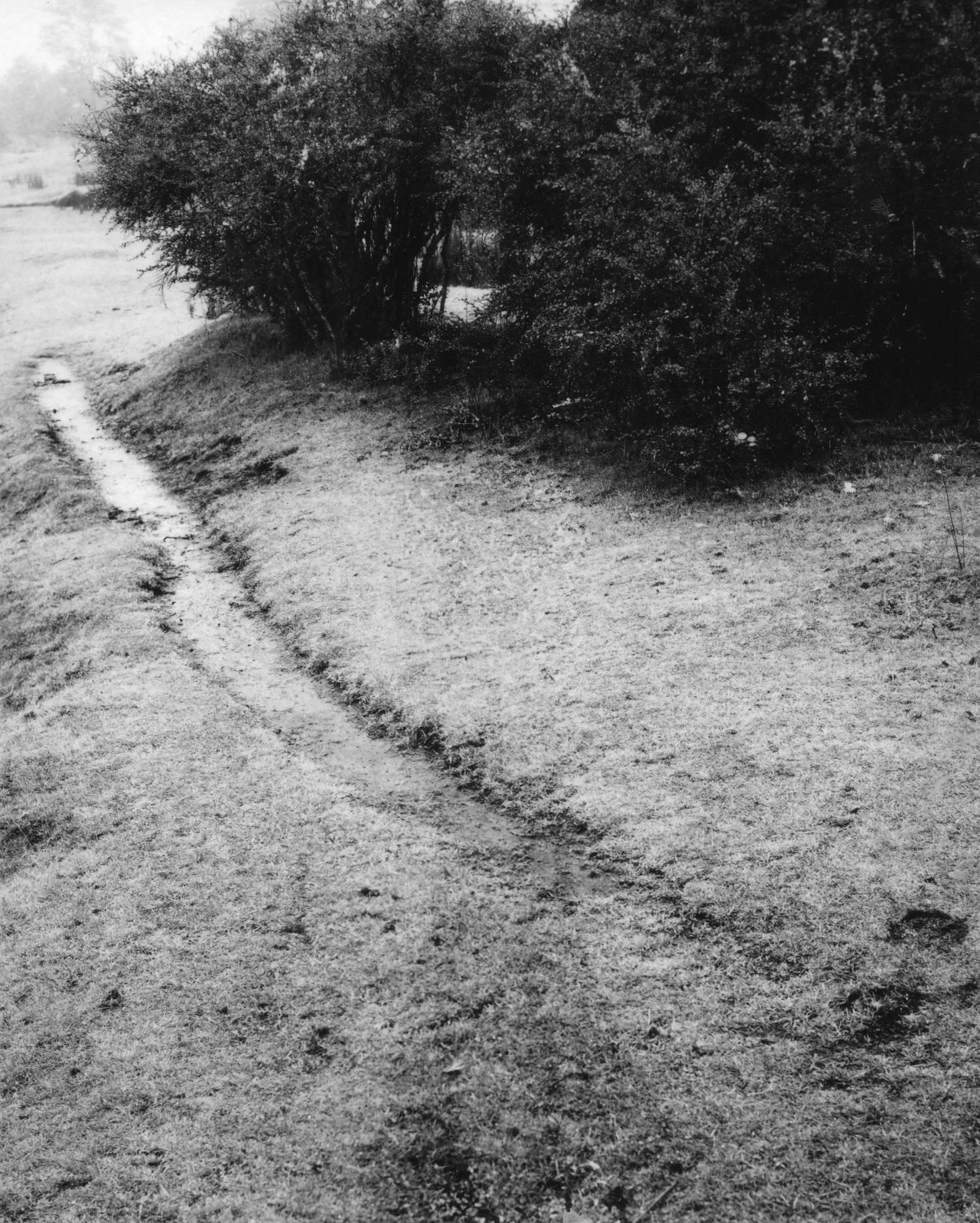
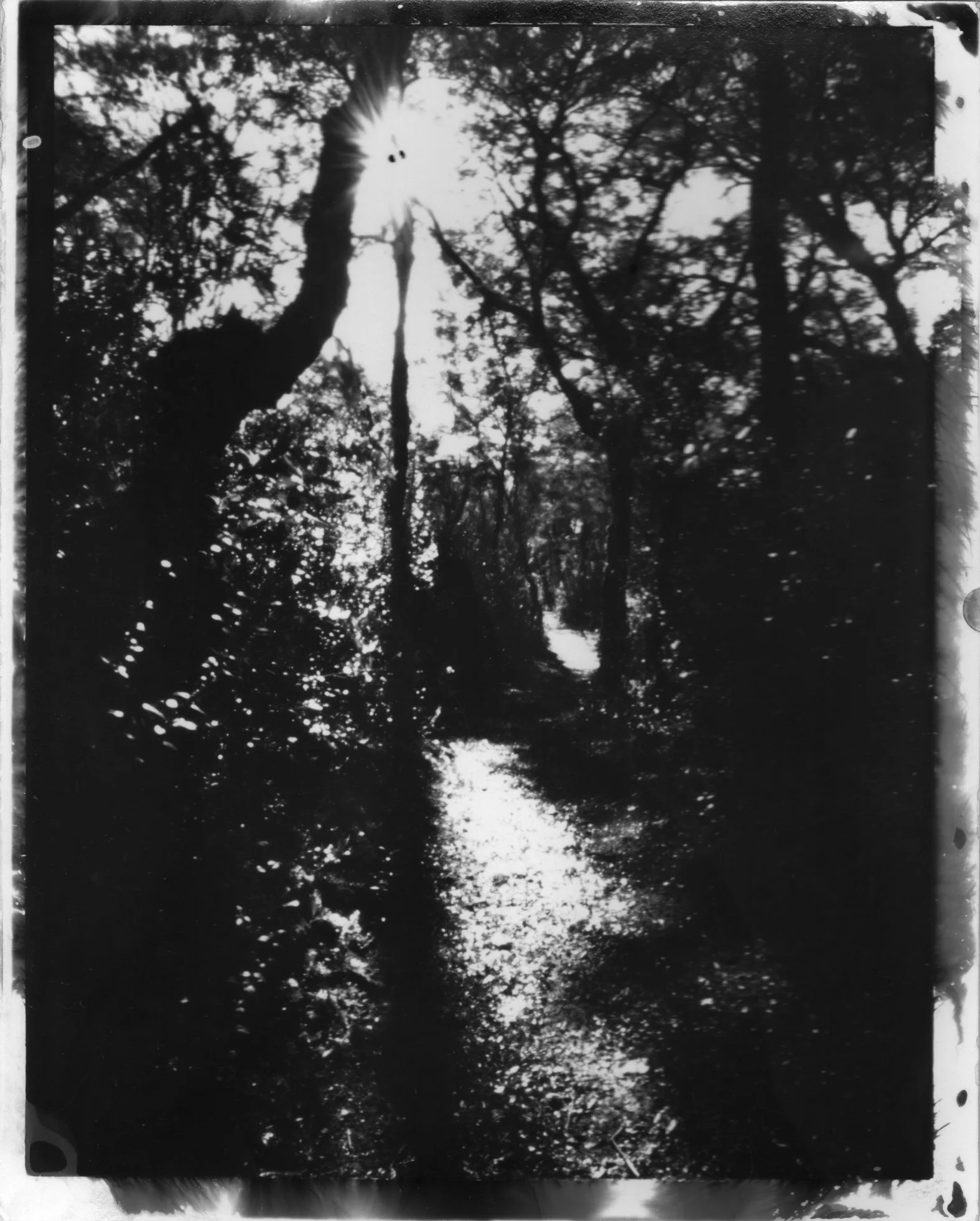
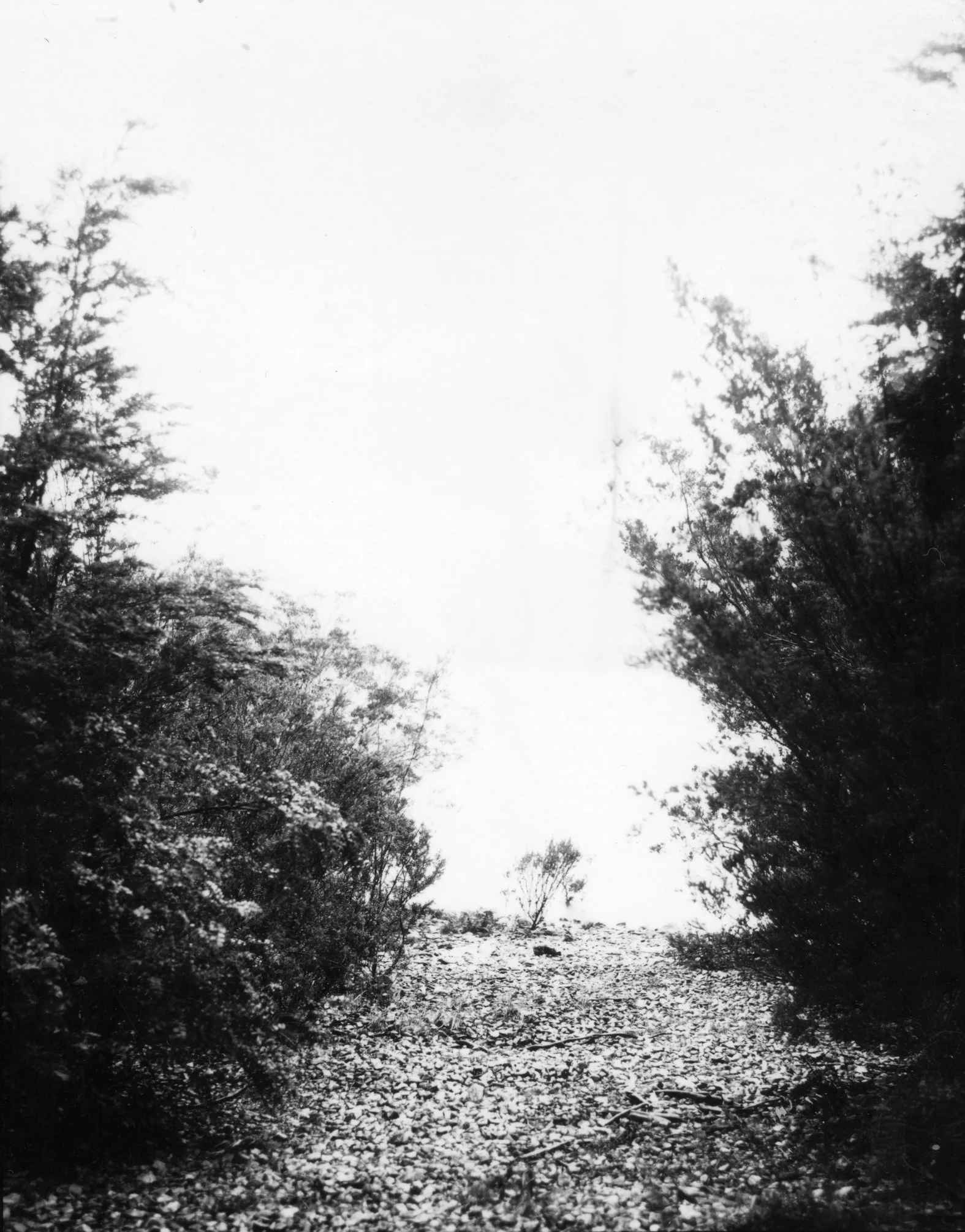
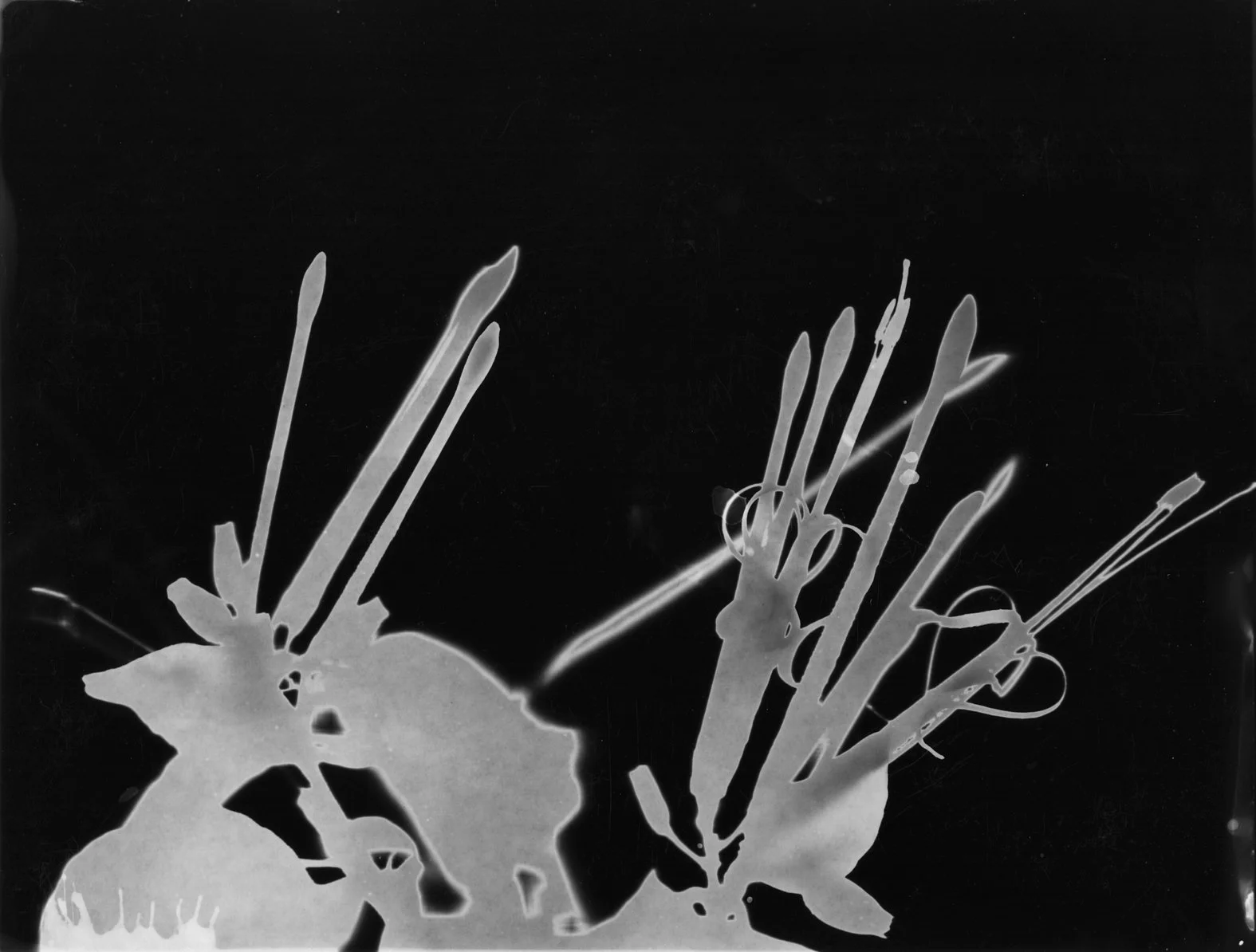
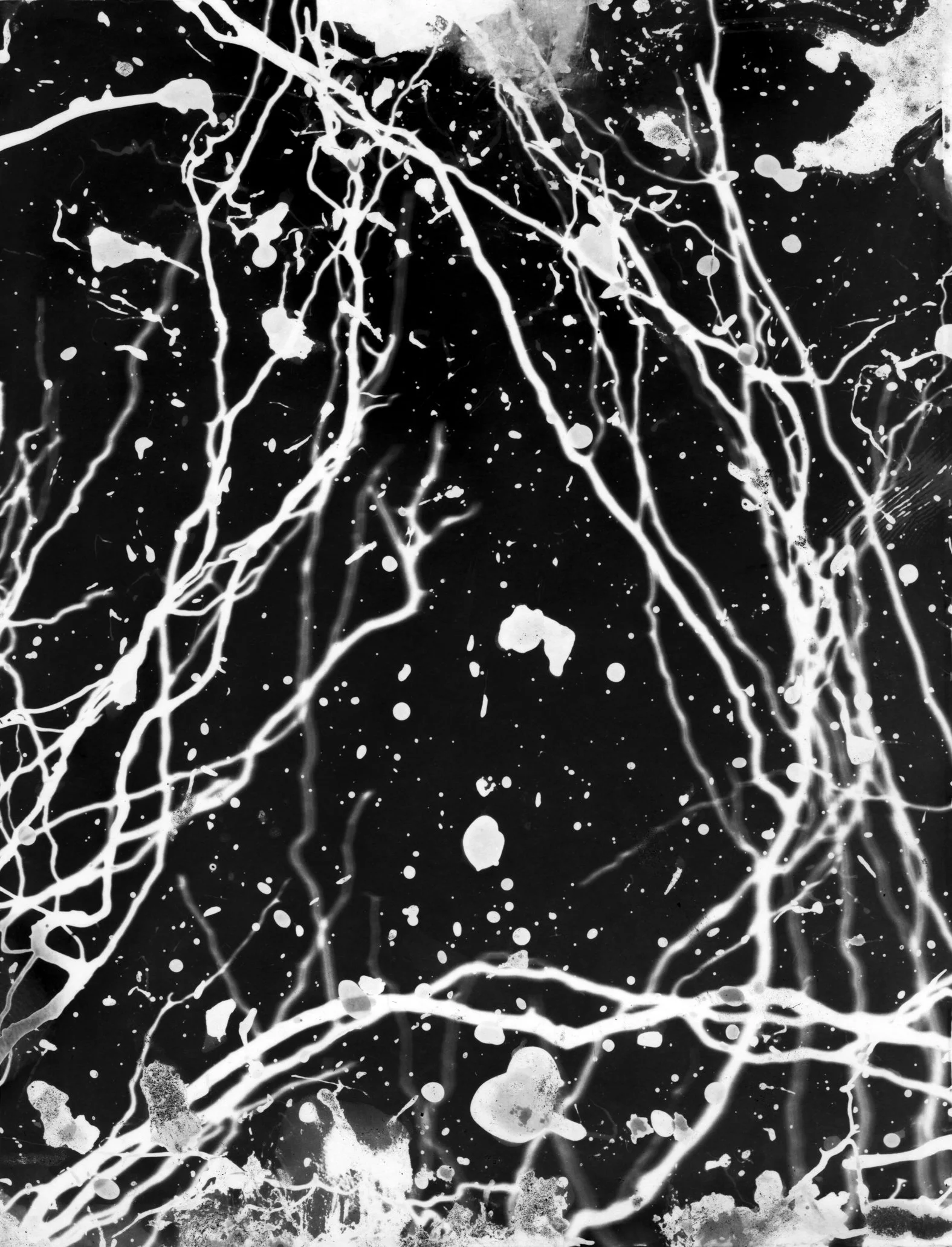
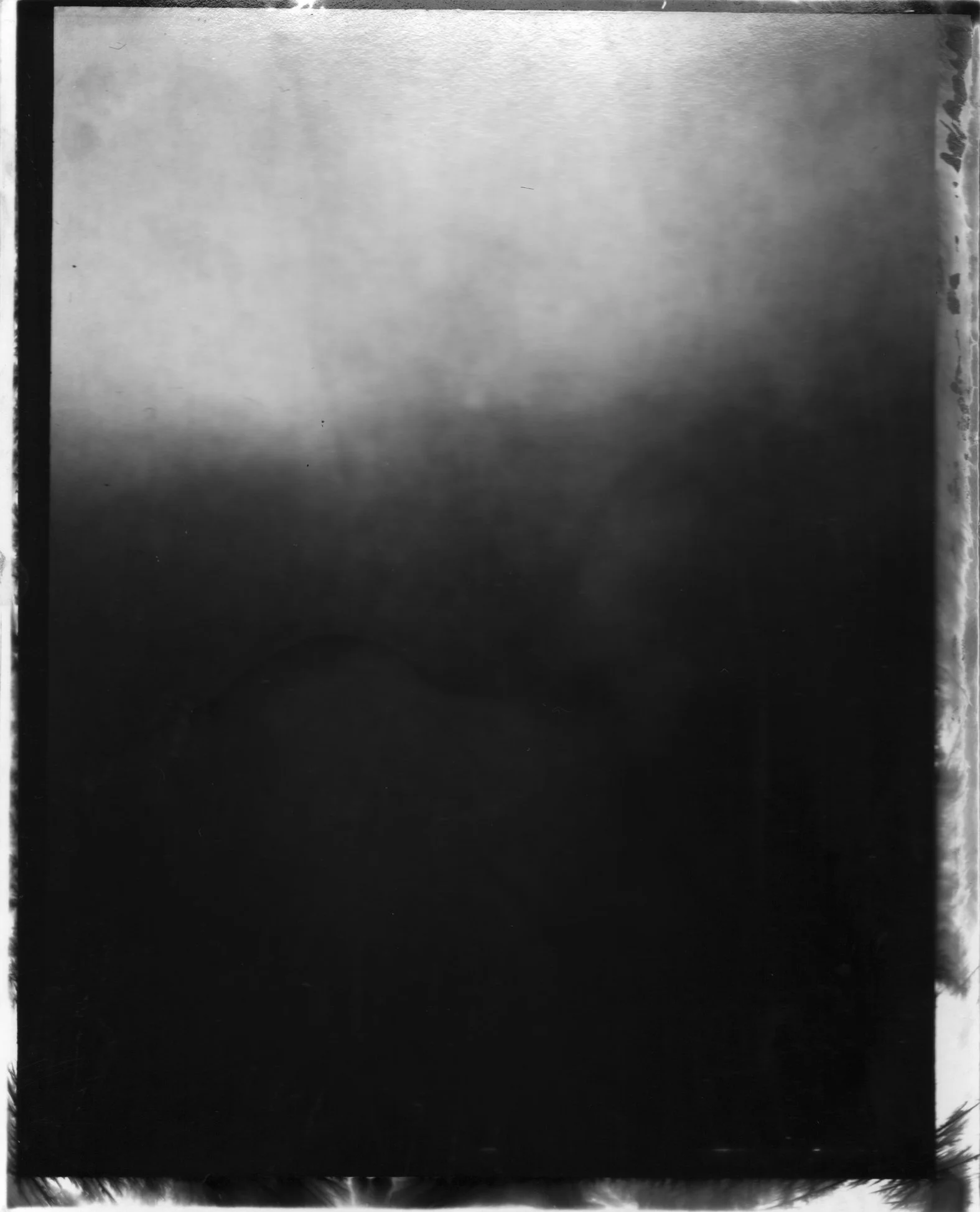
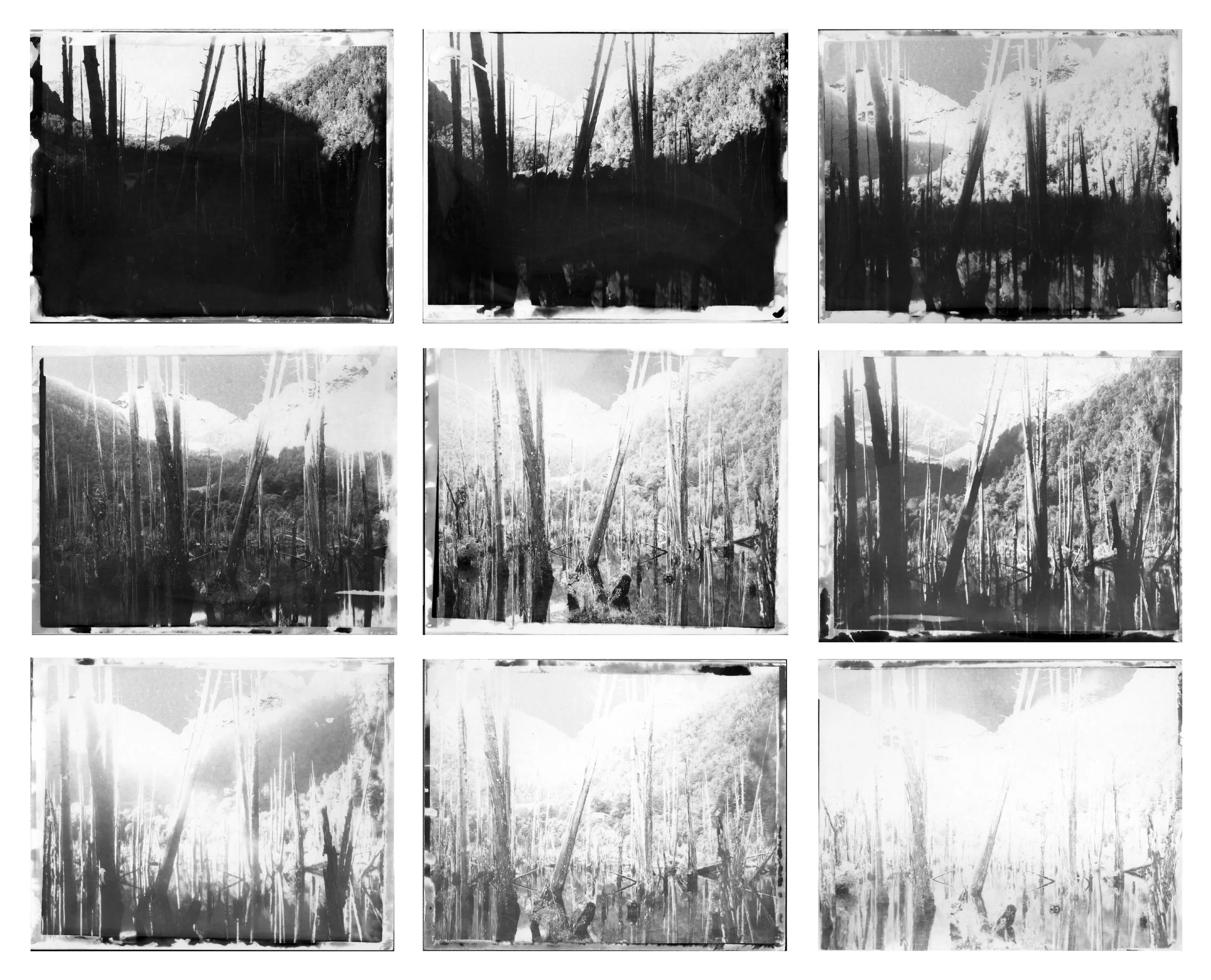
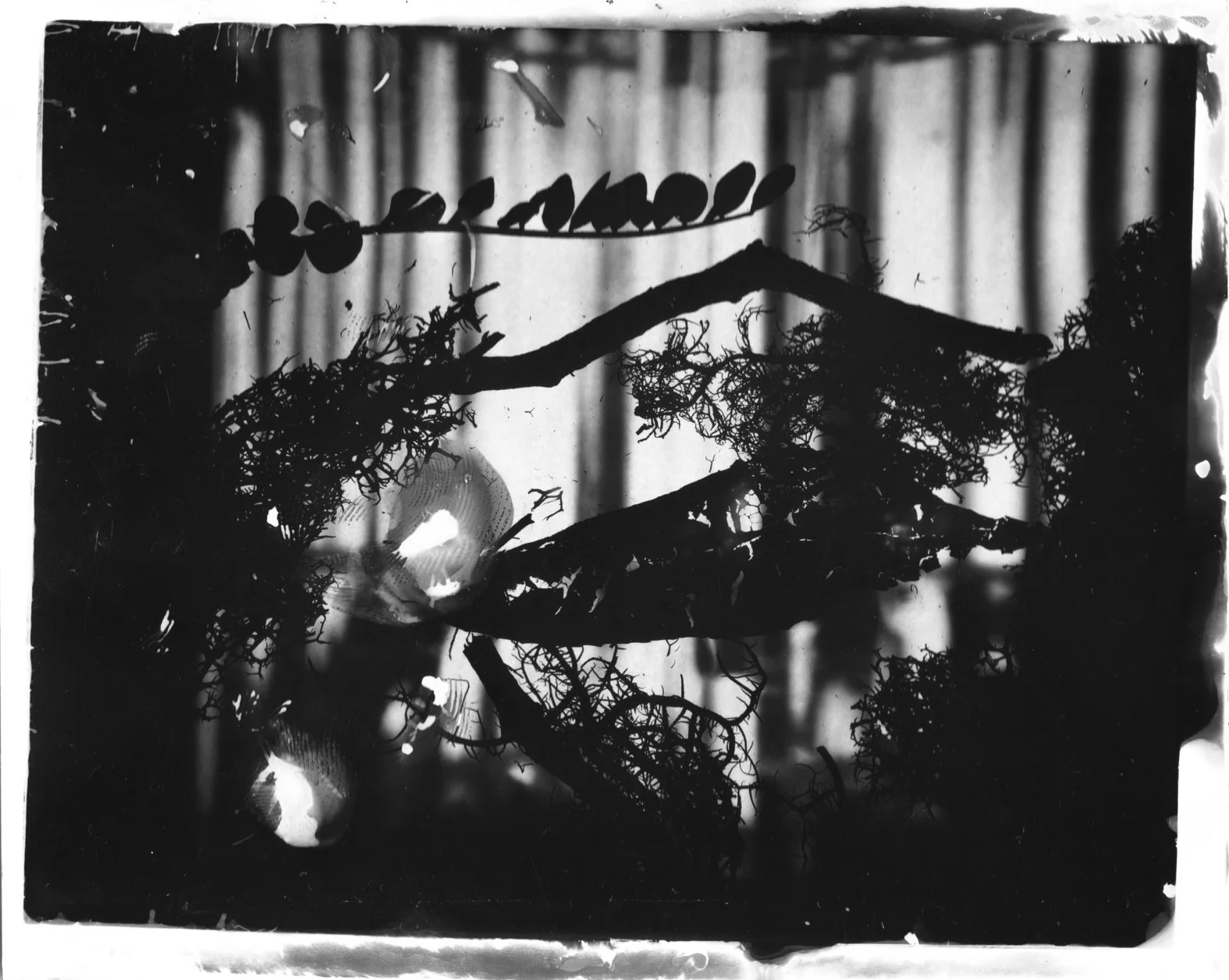
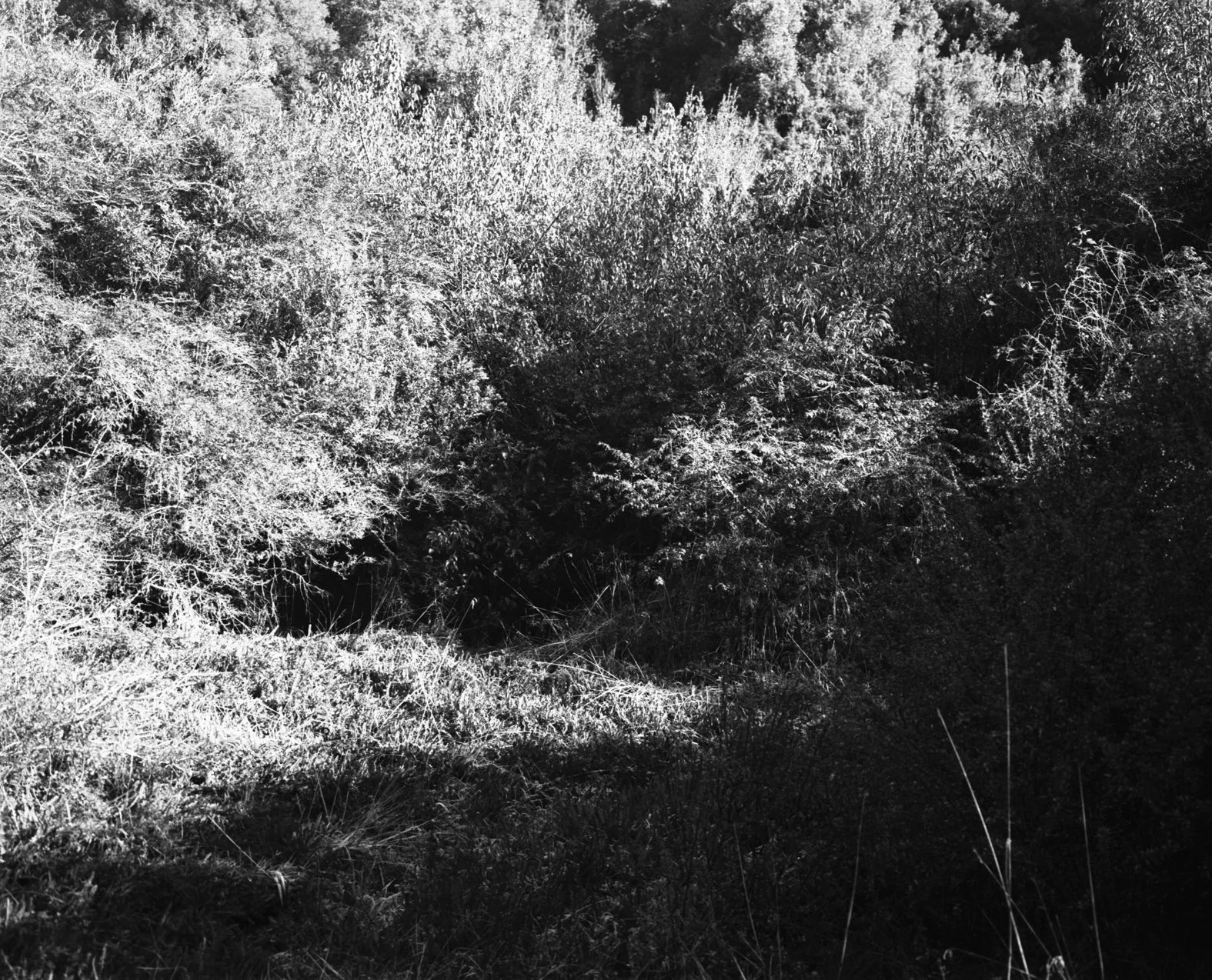
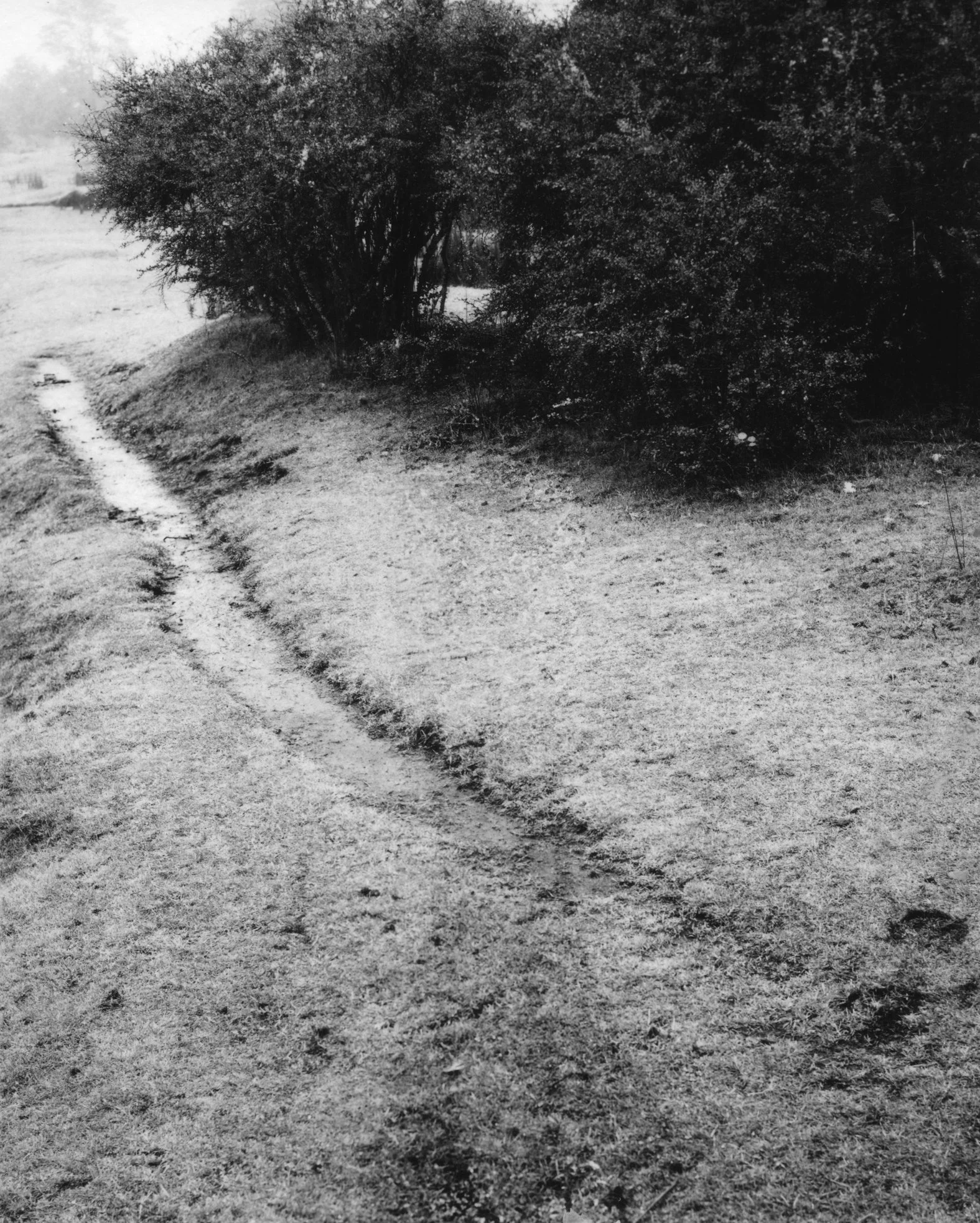
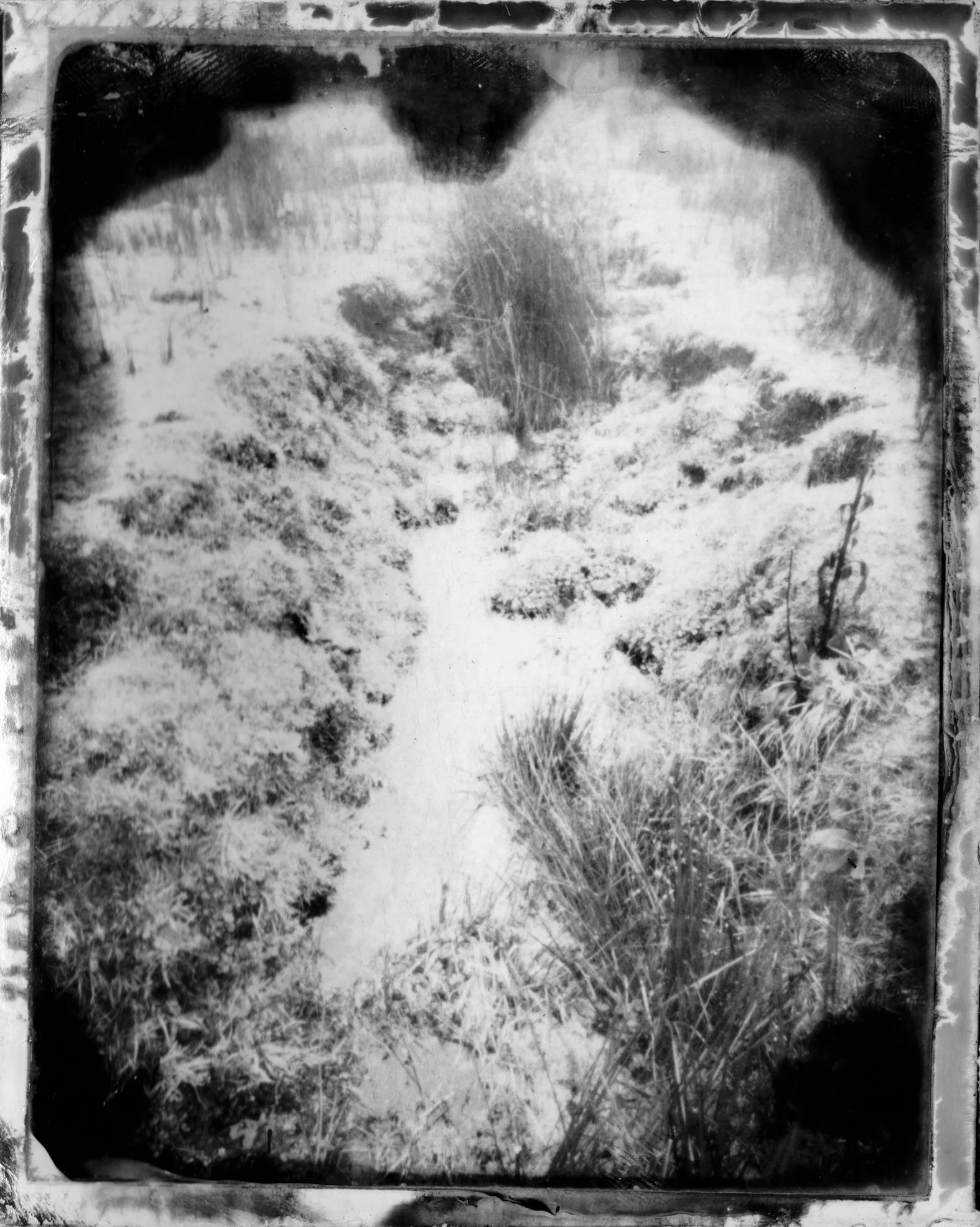
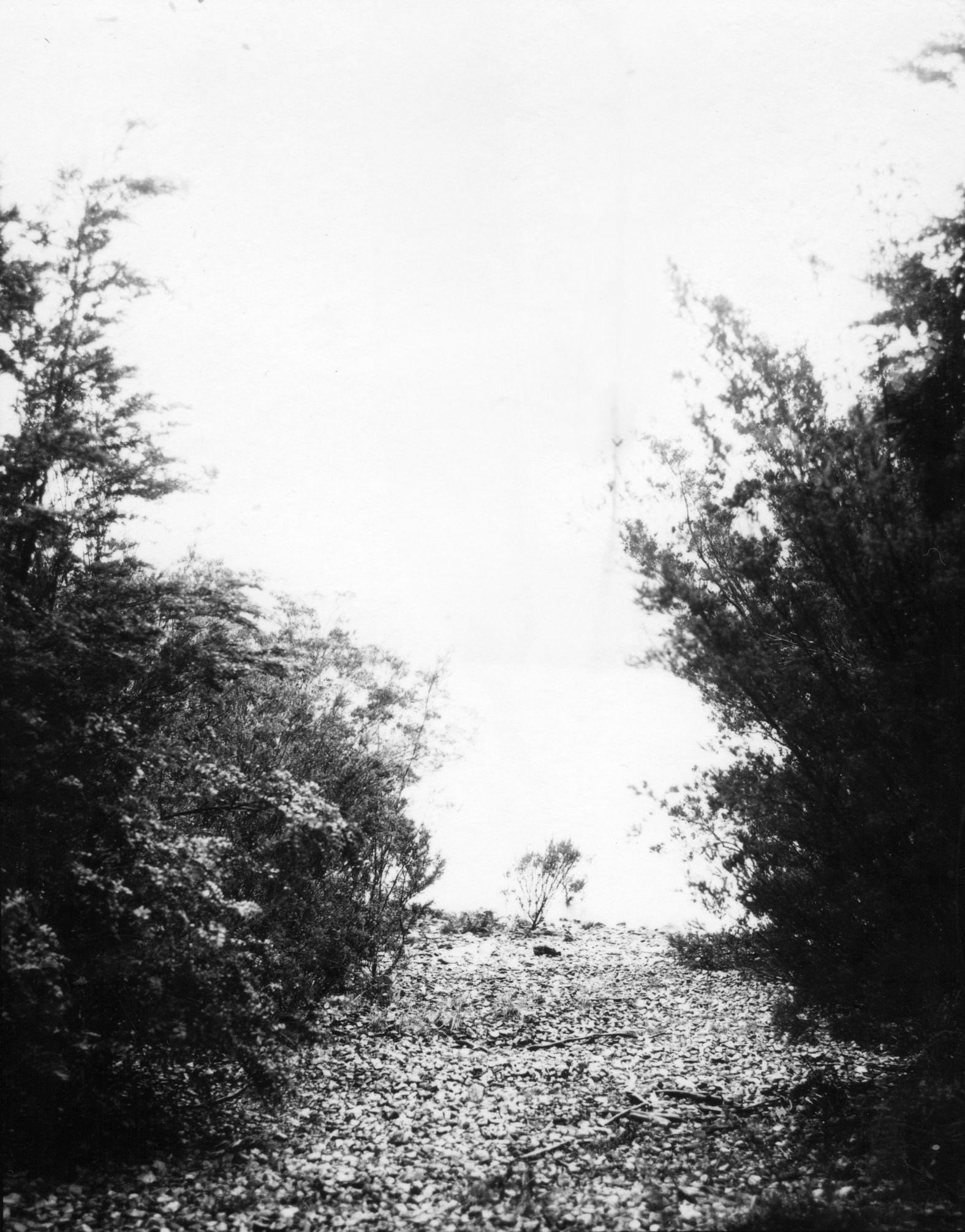
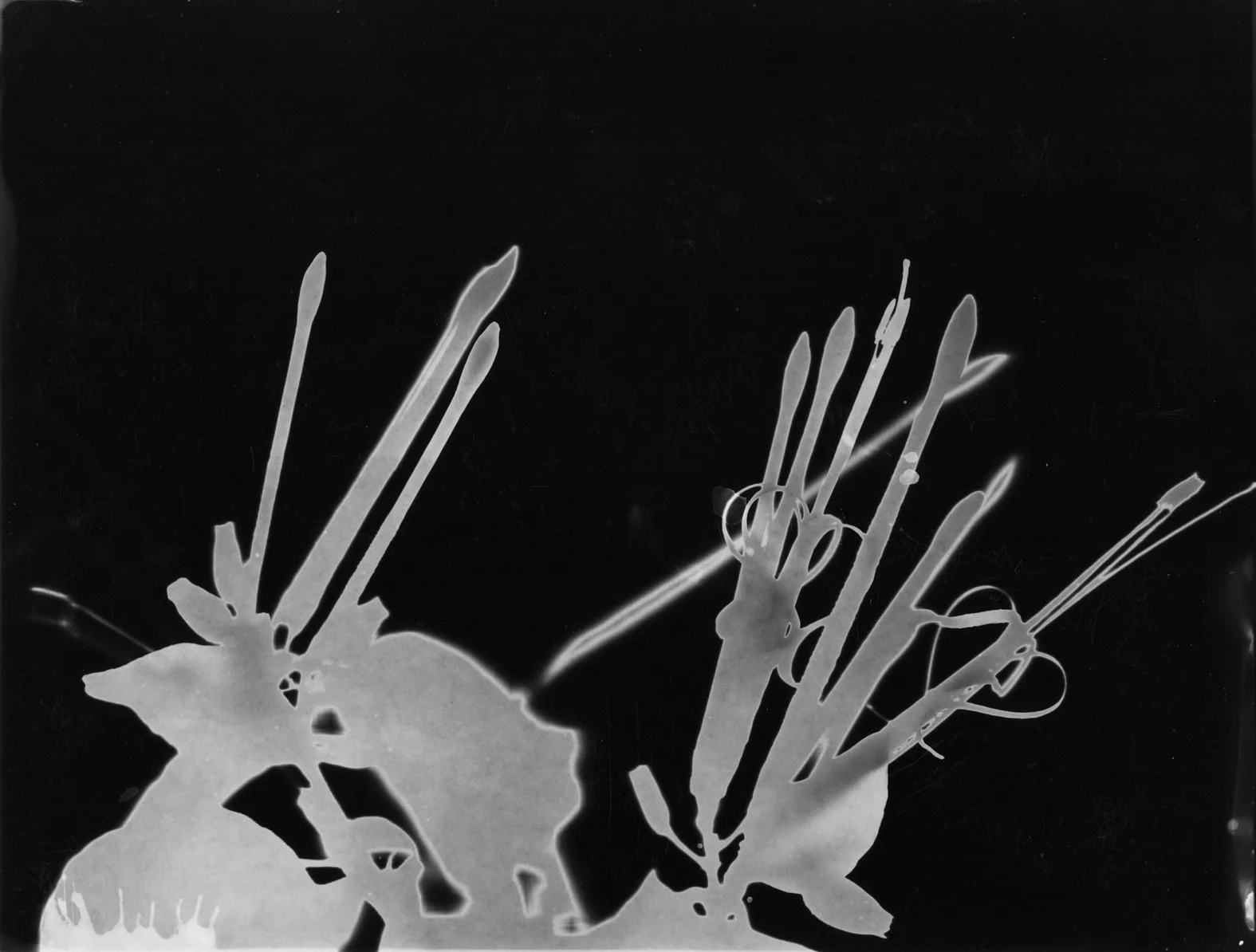
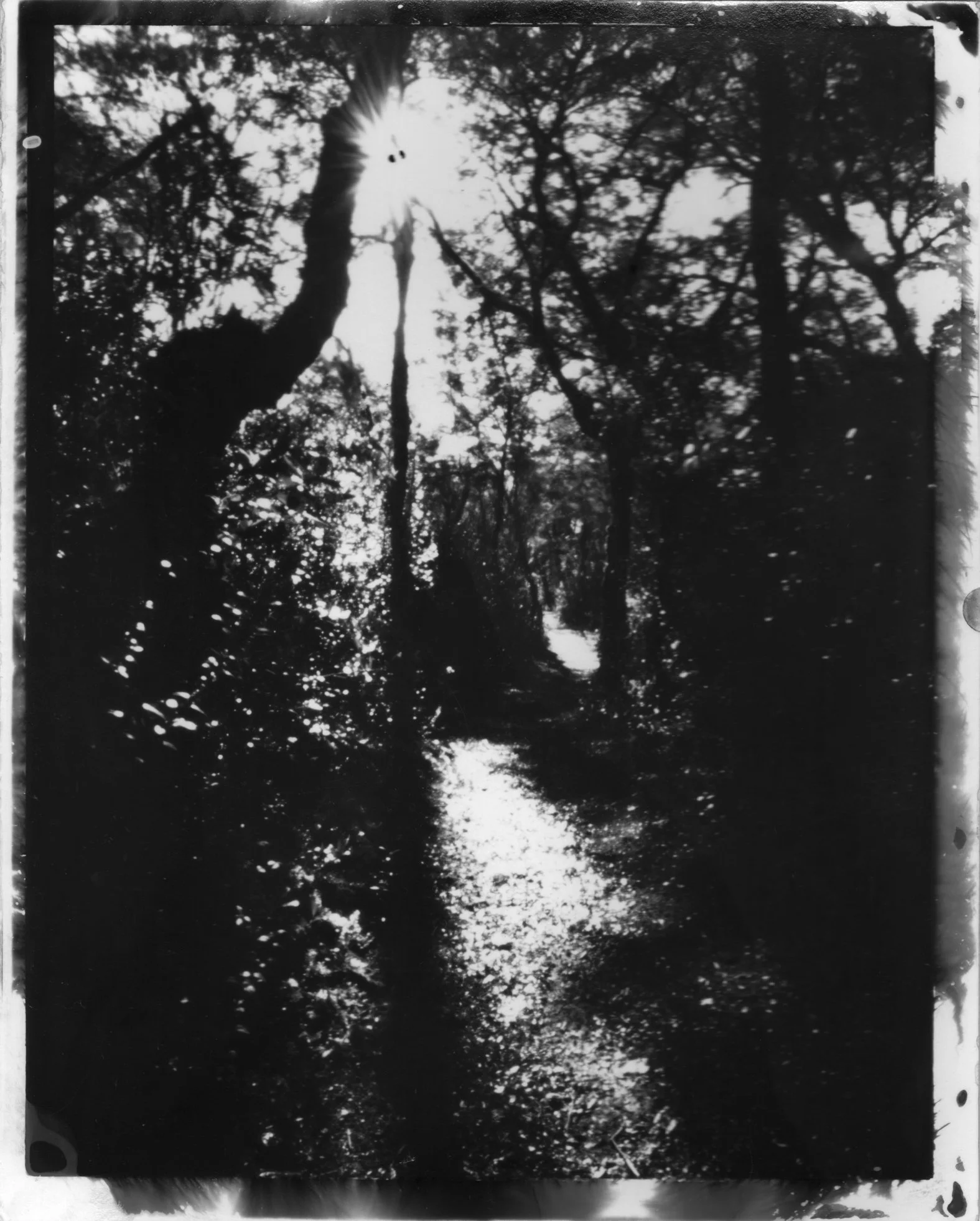
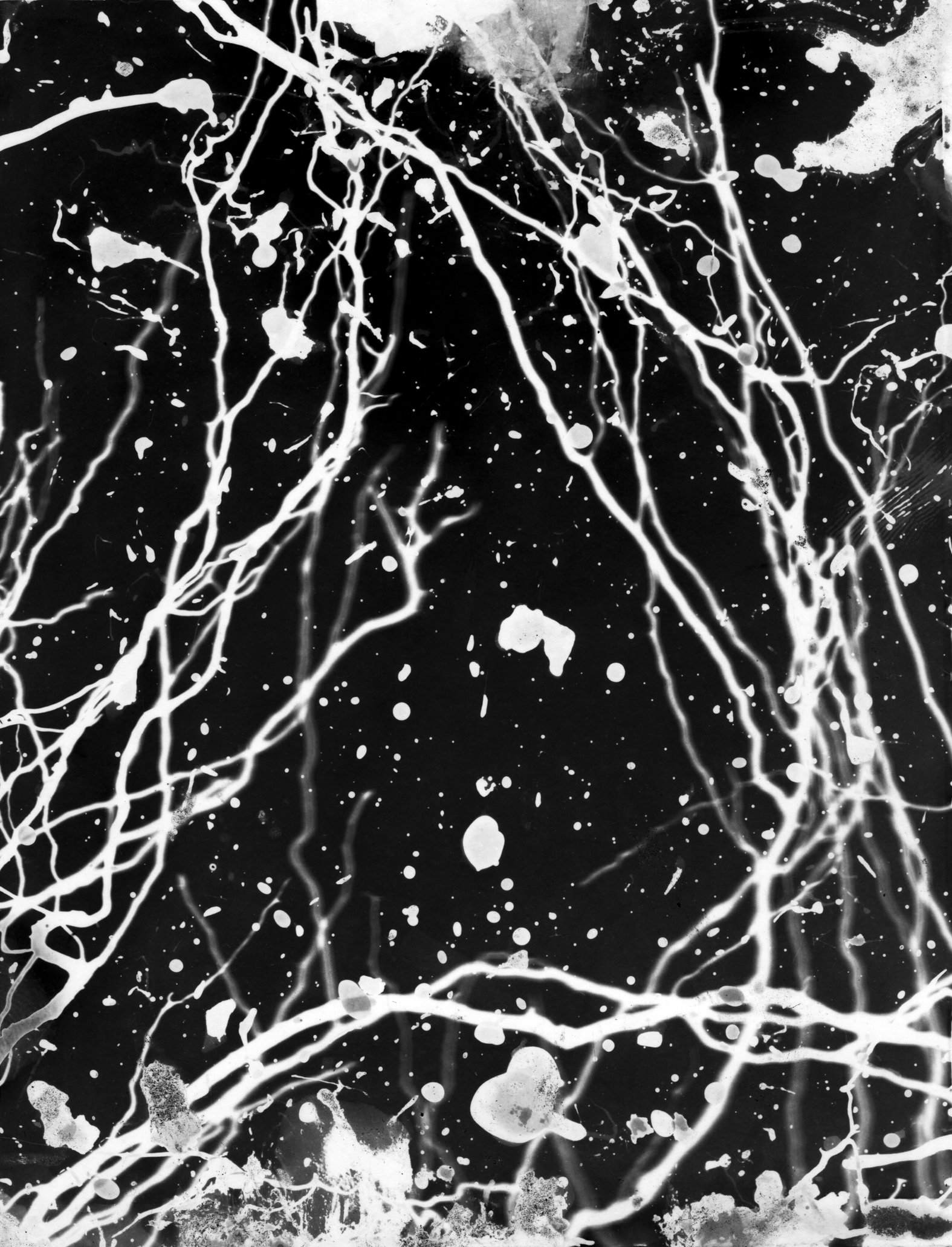
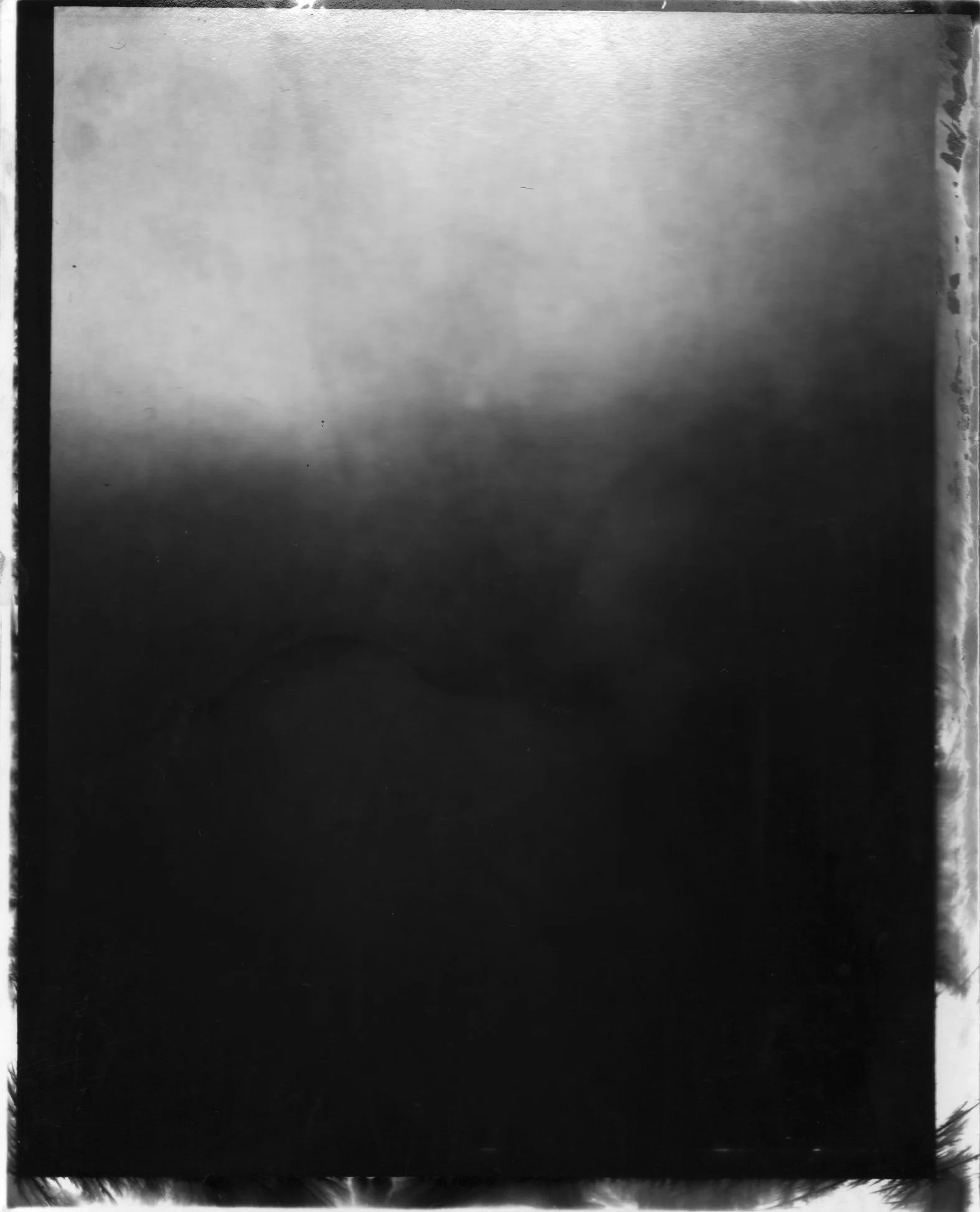
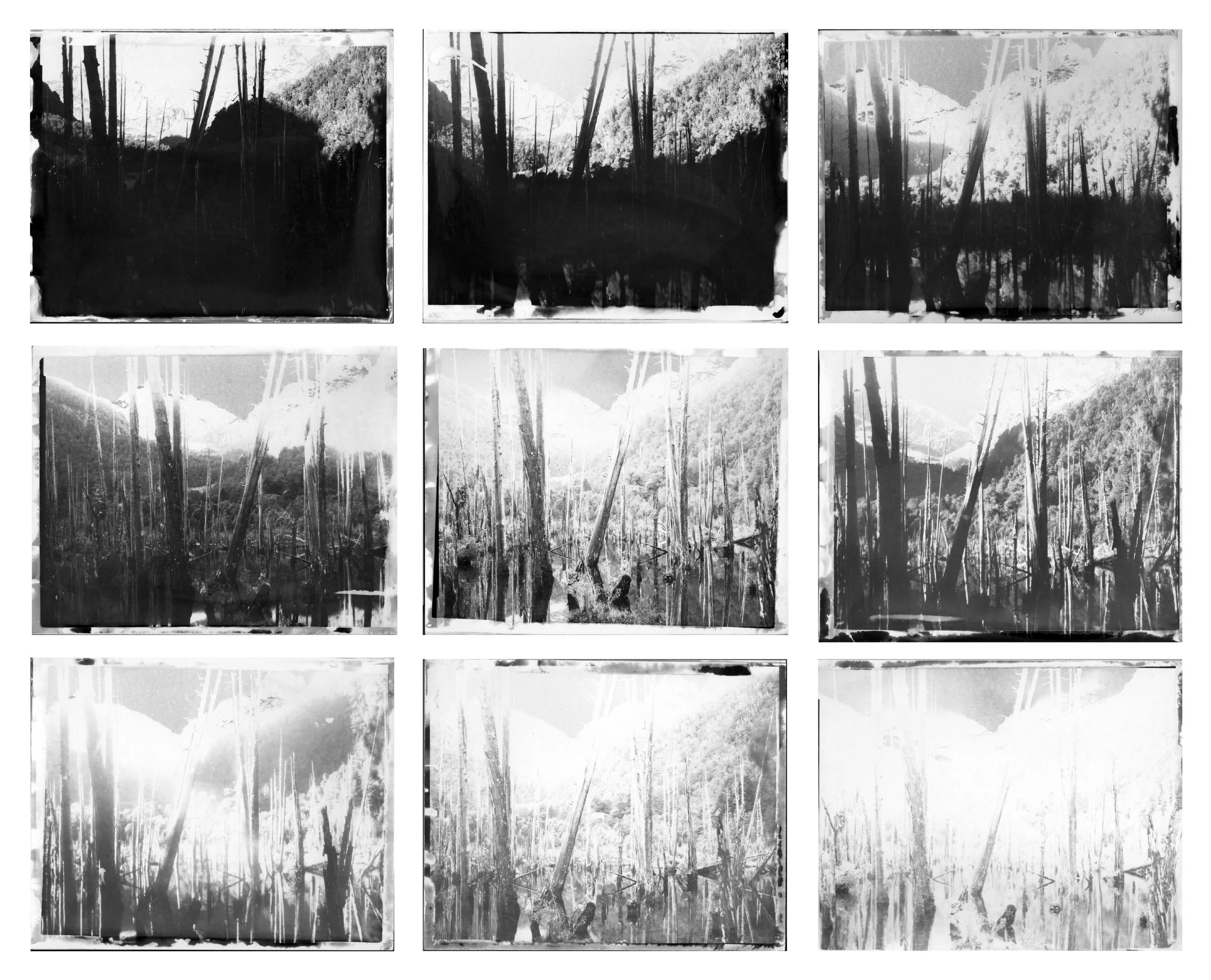
Hasta acá llegaba el mar es un proyecto fotográfico químico multiformato(gran formato, estenopeica, fotograma, 16mm, entre otros) que a través del estudio del tiempo en sitios arqueológicos y territorios poco intervenidos por humanos, reconstruye un pasado desde la experimentación con estos soportes y sus posibilidades estéticas, reconociendo que en la larga exposición se logra captar una luz más primitiva. Así nace el concepto de Fósiles de luz, asimilando la naturaleza desde el registro fotográfico de una huella que se conserva para la posteridad.
Posiblemente en ese encuentro de tiempos extemporáneos logremos reconocer que definitivamente el pasado existe y que podemos reconstruirlo a nuestro favor
Las fotografías fueron reveladas con agua de los ríos que atraviesan los sitios, ríos que se encargaron de sepultar y descubrir los fósiles. Muchos de estos hallazgos se atribuyen a niños que escarban la tierra por pura curiosidad y llegan a casa con piedras raras.
Hasta acá llegaba el mar
THE SEA ONCE REACHED HERE
The international scientific community has accepted the research that identifies Monte Verde (Puerto Montt, Chile) as the oldest known human settlement in the American continent, dating back approximately 14,500 years. The findings include a variety of modified bones from now-extinct animals, remains of dwelling structures, a fossilized human footprint, fire-making tools, and even a piece of boldo chewing gum transported over more than 400 km. This discovery challenges the prevailing theory that human settlement in the continent occurred solely through the Bering Strait, opening the possibility that humans also reached the Americas from the south.
How do we construct an image of prehistory from a contemporary perspective?
There is something in the social sphere that, in a certain way, imposes an image of the world — a need for order based on specific discoveries. Who tells History? The language of science is limited in that sense; the most important part of its data can become sterile when it comes to imagining alternative ways of understanding territory. This does not mean it is impossible to use such knowledge from another perspective — and that is where artistic vision emerges. What happens when the culturally accepted classical image encounters a definitively contemporary gaze? Can such a meeting bring us closer to prehistory?
The Sea Once Reached Here is a multi-format analogue photographic project (large format, pinhole, 16mm, among others) that, through the study of time in archaeological sites and territories minimally altered by humans, reconstructs the past through experimentation with these supports and their possibilities. Long exposure allows a more primitive light to be captured. From this emerges the concept of Light Fossils — understanding nature through the photographic recording of a trace preserved for posterity.
Perhaps within this encounter of untimely temporalities we may recognize that the past indeed exists, and that we can reconstruct it in our favor.
The photographs were developed using water from the rivers that cross these sites — the same rivers that buried and later revealed the fossils. Many of these discoveries are attributed to children who dig the earth out of pure curiosity and return home carrying strange stones